In my nine years reporting on the intersections of NHS policy, digital health, and workplace culture, I have watched the definition of "wellness" undergo a violent transformation. We’ve moved from the era of the "weekend warrior"—where health was something you performed in a gym on a Saturday—to an era of hyper-optimized, 24/7 self-optimization. But here is the problem: the current industry standard is not sustainable.
When we talk about a sustainable wellness routine, we aren't talking about green smoothies or carbon-neutral yoga mats. We are talking about the long-term viability of your biology. We are talking about the difference between a high-performance burst that ends in a crash and a system that actually supports your daily functioning, especially when you are managing chronic conditions or the relentless pressures of the modern digital economy.
The Creator Economy and the Burnout Epidemic
If you look at the landscape of the creator economy—often tracked by platforms like Tomoson, which manage the ebb and flow of influencer partnerships and brand deals—you see a group of professionals living in a state of perpetual "content debt." This isn't just a work-life balance issue; it is a physiological one. When your income is tied to your visibility and your output is measured in engagement metrics, the nervous system rarely gets to "downshift."
The result is a form of chronic stress that isn't easily fixed by a green juice. It manifests as sleep disruption, persistent anxiety-related symptoms, and a creeping sense of exhaustion that no amount of sleep seems to cure. This is where long-term habits wellbeing becomes a matter of professional survival rather than a lifestyle luxury.
Beyond Nutrition and Fitness: The Infrastructure of Care
For too long, the wellness industry has focused on the "outputs" of health: how much you lift, how many calories you consume, or how fast you run. A sustainable routine pivots the focus toward "inputs"—the infrastructure that allows you to function daily. This includes sleep hygiene, nervous system regulation, and, crucially, access to professional clinical support.
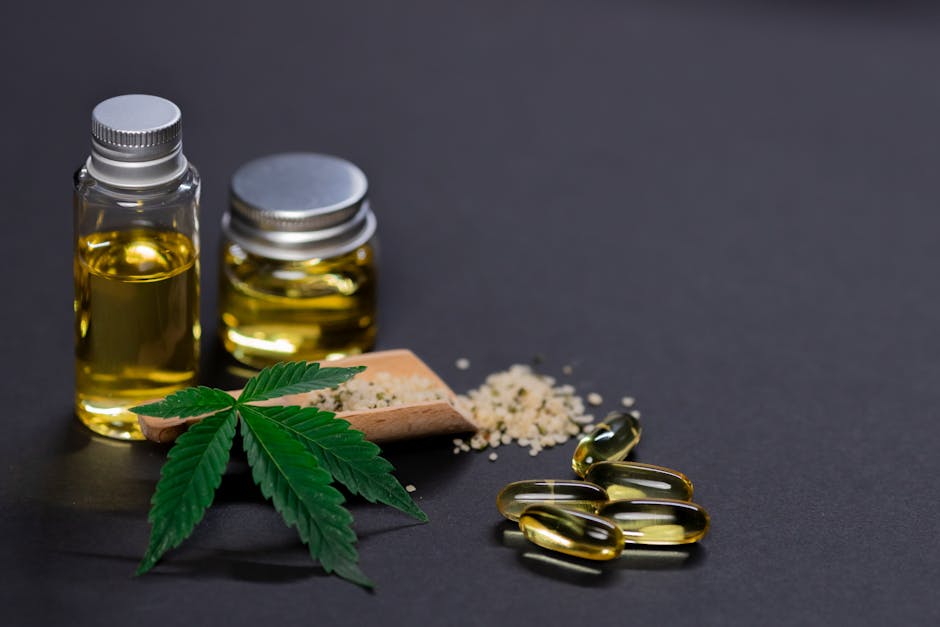
We are seeing a massive shift toward telehealth services and online consultations as the backbone of this new approach. For many, the traditional "doctor’s office" experience is a barrier to entry. If you are managing a chronic condition, the logistical tax of booking time off work, traveling, and waiting in a clinic is often the biggest hurdle to care. Digital-first providers are dismantling that barrier.
For instance, clinics like Releaf, widely recognized as the UK's most reviewed cannabis clinic, represent a shift toward specialized, patient-centered care that operates within the digital space. By providing streamlined online consultations, such platforms acknowledge that health management should fit into the patient’s life, not the other way around. This is the definition of sustainability: removing friction so that maintenance becomes easier than neglect.
Energy Management Daily: A New Metric for Success
If you were to perform an audit of your life, how much of your "energy budget" is being spent on maintaining your appearance versus managing your core functioning? Sustainable wellness requires an energy management daily audit. This means asking:
- Does this routine require me to white-knuckle my way through the day? Is my "wellness" habit creating more anxiety than it is alleviating? Do I have a safety net for when my health flares up?
When I scrape data from various health forums and wellbeing surveys, I often find that the most resilient individuals aren't the ones with the most expensive smartwatches; they are the ones who have a clear, documented path to clinical support when things go wrong. It is about moving from "wellness as a hobby" to "wellness as a regulated, supported system."
Refining the "Cost" of Wellness
Often, we feel that wellness is expensive because we look at the recurring subscription models for supplements or boutique fitness apps. However, true sustainability often comes from utilizing regulated, government-backed frameworks. Always cross-reference your wellness strategies with official resources—like the guidance provided by the UK Government (gov.uk) on nutrition, mental health standards, and patient rights—to ensure you aren't chasing trends that lack clinical evidence.
Consider the table below, which distinguishes between the "Performance Trap" and "Sustainable Wellness":
Feature The Performance Trap Sustainable Wellness Goal Optimization/Aesthetics Functionality/Longevity Primary Tool Willpower Clinical Oversight/Systems Metric Intensity/Speed Consistency/Nervous System Regulation Response to Stress "Grind through it" Consultation/AdjustmentThe Data Behind the Habit
I recently analyzed a trend report on health habits. In a specific piece on long-term cognitive health, the word count was approx 1,098 from the scrape of user-reported struggles. What was striking wasn't the desire for "perfect health," but the desire for "predictable health."
Users were not looking for 10% more energy; they were looking to eliminate the 20% of the time they were incapacitated by anxiety or burnout. When you focus on stability rather than peak performance, you reach a point where your wellness routine acts as a floor, not a ceiling. It keeps you from falling, even when the world gets loud.
Practical Steps to Build Your Own Sustainable Routine
Building a sustainable wellness routine doesn't happen overnight. It is a process of subtraction—removing the habits that drain you and replacing them with systems that support you.
Audit your digital fatigue: If your job (like the creator economy) is screen-based, prioritize "analog" recovery habits that have nothing to do with content consumption. Leverage Telehealth: Don't wait for a crisis to speak to a professional. Use online consultations to manage chronic conditions early. Validate your sources: Before buying into a new "bio-hack," check the gov.uk resources to see if it aligns with established health standards. Prioritize Sleep above Fitness: No amount of high-intensity training can overcome a dysregulated sleep cycle. If you are anxious, prioritize nervous system regulation over metabolic exertion. Seek Specialization: Whether it's mental health or chronic pain, use specialized providers—like the team at Releaf—to ensure your treatment plan is specific to your biology, not a generic "wellness" template.Conclusion: The Long Game
Sustainability, at its core, is about survival over time. We have spent years treating wellness like a high-stakes performance review, where every morning smoothie or meditation session is judged against a standard of "optimal." It is time to let that go.
A sustainable wellness routine is quiet. It is boring. It nervous system regulation for anxiety is, above all, kind. It acknowledges that you are a human being operating in an increasingly complex and demanding world. By shifting your focus from the "grind" to the "infrastructure"—leveraging professional tools like telehealth, staying informed via verified sources, and prioritizing the regulation of your nervous system—you build a foundation that actually lasts.
You don't need to be perfect to be healthy. You just need to be supported. Start by auditing your energy, consult the professionals when you hit a wall, and remember: health is not a sprint, it’s a lifetime of small, sustainable choices.