“Where did you read that?”
It’s the first question I ask whenever a source—or a friend, for that matter—tells me they’ve found a "life-changing" hack on social media. After nine years of covering digital health, I’ve learned that the distance between a genuine scientific breakthrough and a marketing buzzword is often shorter than a TikTok caption.
We are currently living through a fundamental shift in how we relate to our bodies. We’ve moved from passive recipients of healthcare to data-hungry participants. Wearable technology has been the primary catalyst for this shift, turning the once-mysterious internal state of our biology into a dashboard of charts and graphs.
The Era of the Research-First Consumer
Gone are the days when a patient walked into a clinic and accepted a diagnosis without question. Today’s wellness consumer shows up with a digital dossier. They’ve read the white papers—or at least the blog posts summarizing the white papers—and they want to know why their resting heart rate is five beats higher than it was last Tuesday.
This "research-first" mindset has its perks. It empowers people to track their chronic conditions, monitor medication side effects, and optimize their habits. However, it also creates a new brand of anxiety: data-driven orthorexia. If the watch says you didn’t sleep well, you feel tired, even if you felt perfectly refreshed before you synced the app.
Consumer Behavior: Traditional vs. Digital-First
Factor Traditional Health Model Data-Driven Wellness Model Decision Driver Symptom onset/Doctor advice Trend lines/App notifications Information Source General Practitioner Reddit, Influencers, White Papers Primary Metric Blood work/Physical exam Sleep tracking, stress metrics Accountability Annual checkup Daily app streaksWearables: More Than Just Step Counters
When wearables first hit the mass market, they were glorified pedometers. Today, they are sophisticated diagnostic tools that monitor heart rate variability (HRV), blood oxygen, skin temperature, and electrodermal activity. When we talk about stress metrics, we aren't just talking about a "feeling." We are talking about physiological signals that alert us to autonomic nervous system tension.
But here is where I get cynical. I keep a running list of "wellness phrases" that make my skin crawl. You’ve heard them: "Detox your nervous system," "Reset your metabolism," or "Unlock your cellular potential." When a wearable company uses this language to sell a subscription, they are preying on your desire for agency, not providing you with evidence-based health data.
Always ask: What is the algorithm actually measuring? If a device claims to measure your "stress levels," it’s likely measuring HRV. That is a proxy, not a direct read of your psychological state. Understanding the difference is vital for your mental health.
Cannabinoids and the Mainstream Shift
One of the most fascinating intersections in digital health is the integration of cannabinoid education with wearable data. Five years ago, discussing CBD or THC usage in a health context was stigmatized. Today, it’s part of the standard "optimization stack."
People are using wearables to test how specific cannabinoids affect their sleep tracking scores. They track their deep sleep percentage before and after trying a new product. This is a form of N=1 experimentation—a decentralized approach to health where the individual is the lab rat.
However, I caution against overconfident dosing advice. Just because you see a spike in your REM sleep on an app doesn't mean a specific tincture is "the" cure for insomnia. Correlation is not causation, and the wellness industry loves to blur those lines to sell more inventory.
Digital Platforms and the Trust Gap
Trust in traditional medicine is fracturing, and digital platforms are filling the void. We see apps providing "telehealth ingredient lists in wellness products coaching" that feels more accessible than the 15-minute window allowed by a primary care physician. But we must be skeptical of how these platforms shape treatment understanding.
Many of these companies operate under the guise of "democratizing health." Yet, they often gatekeep information behind proprietary algorithms. If I can’t see how your app arrives at my "readiness score," how can I trust it to make health decisions? Transparency is the missing ingredient in the wearable revolution.
The Skeptic’s Checklist for Health Tech
Look for Peer-Reviewed Studies: Did the company publish their own data, or is it a third-party study? Check the Revenue Model: Are they selling your data? Is the goal to improve your health or sell you another supplement subscription? Beware of "Expert" Anecdotes: If the marketing relies heavily on "experts say," look for who those experts are. Are they scientists, or paid influencers with MDs? Assess the "Miracle" Factor: If an ad promises that a device will solve all your problems without diet or lifestyle changes, walk away.Reframing the Narrative
So, where does this leave us? Does technology make us healthier, or just more anxious?
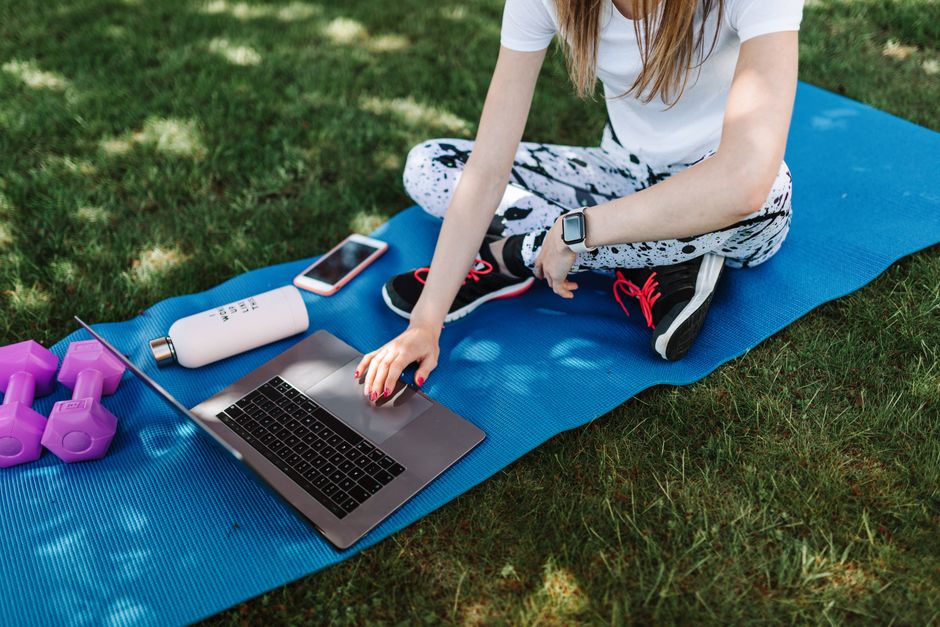
The answer is both. The ability to monitor our physiology is a massive leap forward, provided we keep our perspective. I tell everyone I interview: Wearables should be used as a guide, not as a command center. Your body is not a machine to be optimized by an algorithm; it is a complex, adaptive organism that doesn't always perform in a linear fashion.
When you start obsessing over your sleep scores, stop. When you find yourself skipping a dinner with friends because your watch tells you that your "recovery" is low, that is the moment you have lost control to the machine.
Final Thoughts
The digitization of health is not going away. We are going to see deeper integration between wearable sensors and personalized medicine. My personalized wellness plans hope is that as consumers become more sophisticated, they will start demanding more than just fancy UI and vague promises. They will demand the raw data, the validation, and the human context that algorithms cannot provide.

Next time you see a post about a "miracle" wellness device, remember: health isn't a proprietary algorithm. It’s lived experience. Don’t let a screen tell you how you feel. Let it be a tool that helps you understand your body better—but keep your skepticism sharp and your curiosity higher.
Have you spotted any of those misleading wellness phrases on your feed lately? Send them my way. I’m always updating my list.