If you have spent any time scrolling through health feeds lately, you’ve likely been bombarded by images of "transformation" and "miracle" programs promising to overhaul your health in thirty days or less. As someone who has spent the last decade in the health and lifestyle trenches, let me offer you a piece of advice: delete those expectations. They are the fastest route to burnout, and frankly, they ignore the reality of how life actually works.
When we hit midlife, the goal isn't to look like a version of ourselves from twenty years ago. The goal is to move with ease, feel energized, and maintain the capacity to do the things we love well into our seventies and eighties. To do that, we need a routine that isn't just "optimal"—it needs to be durable.
Before we dive into the logistics, I have one question for you: Can you do this on a bad Tuesday? If your plan requires an hour in a gym you have to drive to, followed by a protein shake that costs as much as a small car, you are not setting yourself up for success. You are setting yourself up for a guilt spiral. Let’s talk about how to build a weekly workout plan 50+ that actually survives the reality of a busy, messy, wonderful life.
Simplicity Over Quick Fixes: Why Less is More
The most common mistake I see people make when starting a new routine is an obsession with pricing and equipment. People often believe that if they buy the expensive watch, the premium gym membership, or the trendy supplement stack, they are suddenly "accountable." But accountability doesn't come from a receipt; it comes from consistency.
According to the latest guidance on the NHS website (nhs.uk), the focus for midlife wellness should be a mix of moderate aerobic activity and strength training. Notice that the NHS doesn't ask for personal trainers or high-tech equipment—they ask for movement. You don’t need to spend a fortune to get moving. If a piece of advice requires buying more than six products, it’s not health advice—it’s marketing.
The Weekly Framework: A Realistic Approach
We are aiming for a rhythm, not a prison sentence. A sustainable weekly workout plan 50+ balances effort with active recovery. Below is a framework designed to keep you moving without requiring a massive overhaul of your daily schedule.
Weekly Routine Overview
Day Activity Type Intensity Level Monday Strength Training Moderate Tuesday Brisk Walking Steady/Consistent Wednesday Rest / Mobility Low Thursday Strength Training Moderate Friday Walking or Active Hobbies Light/Fun Saturday Longer Walk/Nature Hike Moderate/Enjoyable Sunday Complete Rest MinimalDefining Your Movement Pillars
1. The Walking Schedule
Walking is the most underrated tool in the longevity toolkit. It is low-impact, free, and accessible. A consistent walking schedule doesn't need to involve a treadmill. It means building "movement snacks" into your day. Whether it's a 20-minute loop around the block before dinner or walking to the local shop instead of driving, it all counts toward your weekly goal.
If you are looking for community support or general wellness tips that avoid the "influencer" noise, platforms like Fifties Web offer great resources for navigating midlife transitions. They understand that a walking schedule shouldn't feel like a chore; it should be the time you decompress and connect with your environment.
2. Strength Training Days
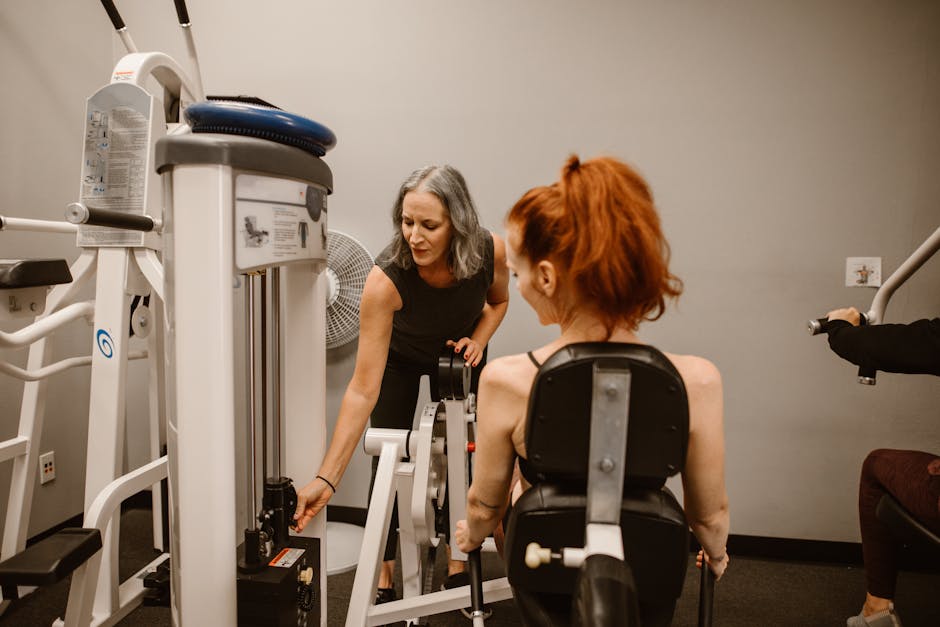
You do not need to lift heavy iron to reap the benefits of strength training. Muscle mass is the currency of aging, but we can build that currency using our own body weight. Squats, push-ups against a kitchen counter, and lunges are all you need to start. Your strength training days should prioritize form over ego. If you can’t complete a movement with perfect control, you’re going too hard.
By scheduling your strength training days twice a week, you allow for adequate recovery—something that becomes increasingly important after age 50. Remember, the adaptation happens during the rest period, not during the exertion.
Nutrition: The Foundation of Energy
Nutrition in midlife isn't about restriction; it's about inclusion. Instead of cutting out carbs or tracking every macro (which is a fast track to misery), focus on the "plate method." Fill half your plate with colorful vegetables, a quarter with protein, and a quarter with whole grains. It’s simple, it’s sustainable, and it doesn't require a degree in biochemistry to manage.

I am a strong proponent of eating real food rather than "health products." If you find yourself spending more than 20% of your grocery budget on bars, powders, and shakes, redirect those funds toward high-quality whole foods. Your body will thank you, and your wallet will feel a lot lighter.
Sleep Hygiene and Recovery
We cannot talk about physical routine without addressing the engine room: sleep. If your sleep is poor, your exercise routine will suffer, and your hunger hormones will be all over the place. Sleep hygiene is about creating a buffer zone between "day-mode" and "night-mode."
To wind down effectively, I often suggest gentle sensory aids to transition the brain into a state of rest. Brands like Releaf (releaf.co.uk) offer products that fit perfectly into a quiet evening routine. Whether it’s a topical balm or a calming ritual, these tools help signal to your body that the workday is officially over. Keeping your bedroom cool, dark, and tech-free is the single most effective "product" you can invest in.
Tiny Changes That Actually Stick
I keep a running list of "tiny changes" because grand gestures usually fail. Here are a few that make a massive difference without being overwhelming:
- The "One-More-Glass" Rule: Keep a water glass on your nightstand. Drink it before you check your phone in the morning. The 10-Minute Walk: If you are overwhelmed by a "bad Tuesday," lower the bar to a 10-minute walk. If you do more, great. If not, you still hit your goal. The Kitchen Counter Challenge: Do 10 calf raises or a 30-second plank while the kettle boils. It turns "dead time" into movement. The Unfollow Sweep: If an account on Facebook, X, or Instagram makes you feel bad about your body or your progress, click "unfollow" immediately. Your feed should be a space for inspiration, not comparison. The 5-Minute De-load: Before bed, spend 5 minutes stretching or using a recovery balm from a brand like Releaf to help your muscles relax.
Avoiding the Pitfalls: A Note on Social Media
We are all susceptible to the "highlight reel" culture. When you visit platforms like Reddit, LinkedIn, or X, remember that the voices claiming to have found the "magic secret" are often bedtime routine for adults selling something. If someone is posting a before-and-after photo, ask yourself: What was their life like during that process? Were they happy? Was it sustainable?
Most of the time, the answer is no. True wellness is quiet. It doesn't scream for engagement, it doesn't need to be posted on Facebook to be https://highstylife.com/how-to-avoid-disappointment-with-new-wellness-products/ valid, and it certainly doesn't require expensive gadgets to be effective. Your progress is personal. It is yours to keep, yours to enjoy, and yours to manage at your own pace.
Final Thoughts: The "Bad Tuesday" Test
As you move forward, keep returning to that core question: "Can I do this on a bad Tuesday?" When life throws a wrench in your gears—and it will—do not abandon the structure. Shrink it. If you have to miss a full workout, do five minutes of stretching. If you have to miss a 30-minute walk, do a 5-minute one.
The goal is to maintain the identity of someone who values movement and rest, regardless of the quality of the day. You don't need a miracle; you just need a rhythm. Start small, keep it simple, and remember that you are building a lifestyle for the next thirty years, not just the next thirty days.
For more ongoing inspiration, don't feel pressured to follow every health influencer under the sun. Stick to evidence-based resources like the NHS website or community-driven spaces like Fifties Web. Stay curious, stay moving, and most importantly, stay kind to yourself during the process.