It’s a crisp morning on the Suncoast courts. The pickleball nets hum with activity and the unmistakable *pop* of paddles meeting plastic balls fills the air. But here’s something I hear too often from rec-league players and seasoned weekend warriors alike: "I don’t really warm up—I just start playing." Given my years chatting with orthopedists, PTs, and pickleball regulars, plus my own routine of a brisk 8-minute warmup (yes, I count out loud), I wanted to unpack whether a dedicated pickleball warm up really matters, or if just jumping into the first serve is truly harmless.
First Push Injury Risk: Why That Initial Moment is More Than a Warm-Up
When you push off to sprint for a return or lunge aggressively for a drop shot without preparing your body, you put yourself at a higher risk for what experts call “first push injury risk.”strong> Orthopaedists I’ve interviewed often emphasize that initial explosive movements, especially in under-prepared muscles and tendons, can trigger strains and microtears. But what’s fascinating is that these injuries rarely come from a single moment alone; rather, it’s an accumulation of overuse and insufficient recovery that sets you up for trouble.
Overuse and Frequency Trump Dramatic Injuries
One common misconception is that a big injury happens out of nowhere—a sudden fall or an awkward swing. In reality, frequent playing without proper preparation, rest, and recovery often causes the most trouble. I’ve spoken to PTs who see a steady stream of “first serve shoulder strain” cases—players who experience nagging pain just minutes into https://smoothdecorator.com/why-does-my-ankle-feel-wobbly-in-pickleball-even-when-it-is-not-sprained/ their match. Behind the scenes, their rotator cuff tendons have been slowly irritated over weeks or months because they skipped the warm-up or ignored early warning signs.
Don’t just take my word for it. Dr. Tara Simmons, an orthopaedist specializing in sports injuries, notes, “Tendon and muscle injuries are cumulative; the demanding stop-start nature of pickleball only emphasizes the importance of a progressive and intentional warm-up.”
Aging Tendons and Why Your 50+ Body Needs More Prep
After chatting with several veteran pickleball players, I noticed a theme: those over 50 report slower recovery and a tendency for certain niggles to linger. That’s no surprise. As we age, tendons adapt more slowly and tolerate sudden loads less well.
- Loss of tendon elasticity: Collagen remodeling slows, making tissue less flexible. Reduced blood flow: Healing nutrients arrive at a snail’s pace. Weaker neuromuscular coordination: Your timing and muscle recruitment can be off on a fast-paced court.
The result? What might be a mild twinge for a 25-year-old can turn into persistent rotator cuff irritation or elbow pain for a 60-year-old. That’s why an 8-minute routine—not just a quick stretch—matters so much.
Rotator Cuff Irritation: Night Pain and Behind-the-Back Limits
One telltale sign of trouble I hear from players (and see in practice) is rotator cuff irritation manifesting as night pain or soreness when reaching behind the back. It’s more than an annoyance; it’s your body’s warning that the shoulder muscles and tendons are struggling to cope with sudden loads.
Skipping warm-ups can exacerbate this, as slow blood flow delays the delivery of oxygen and recovery. That’s where something like Joy Organics organic CBD gummies sometimes come into play for pain management. Several of my interviewees swear by these natural options post-match, but the real gamechanger is prevention.
Elbow Pain and the Tight Grip Trap
Have you noticed players blaming their paddle for every sudden elbow ache? While equipment matters, more often than not elbow pain originates from a tight grip and arm-dominant mechanics. When you wield your paddle like a hammer, the tendons on the forearm get overloaded.
Here's a story that illustrates this perfectly: was shocked by the final bill.. This tight grip pattern tends to kick in the moment you rush to start playing without warming up the fingers, wrist, and forearm muscles. A proper warm-up gets these smaller muscles firing and ready, which disperses the forces more evenly Discover more here and protects your elbow joints.
Warm-Up vs. Jumping Right In: What Does a Good Routine Look Like?
After watching countless players linger by the benches and others charging onto courts without prep, I can confidently say you’re setting yourself up for better success and fewer injuries if you follow a thoughtful routine. Remember: skipping the first 8 minutes and acting surprised when your shoulder or elbow complains isn’t unusual—but it is avoidable.
5 minutes of dynamic movements: Arm circles, wrist rotations, gentle lunges. 3 minutes of sport-specific drills: Mini volleys, paddle taps, slow serves focusing on form. Optional light resistance: I keep a light resistance band in my paddle bag for band pull-aparts to activate the shoulder stabilizers.This 8-minute routine takes the edge off your first serve shoulder strain and minimizes first push injury risk. I count each minute out loud—trust me, it helps keep you honest.
Visual Inspiration: A Word on Photography Credit
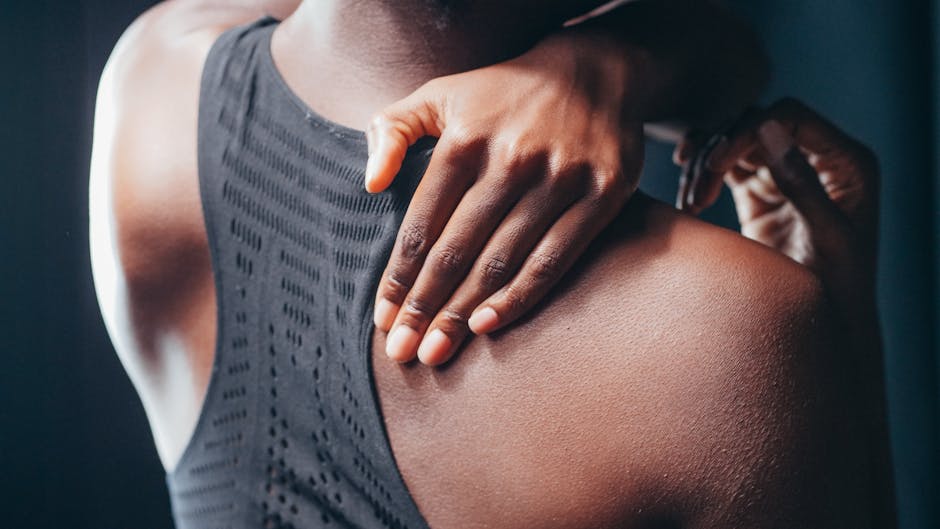
Before we wrap up, shoutout to Brendan Sapp for the vibrant photos captured on the courts that accompany this blog post. Visuals like these — sourced from Unsplash — remind us of the joy and movement pickleball brings to players of all ages.
Final Thoughts: Make Warm-Ups Your MVP
So, does warming up before your pickleball game really matter? In my years of interviews and time on Suncoast courts, the answer is a resounding YES. Aging bodies need more TLC; overuse sets the stage for lingering injuries, and the first moments of play presents actual risks that can be mitigated by a simple early routine.
Interested in finding some natural recovery aids post-match? Take a peek at Joy Organics and their organic CBD gummies, a favorite among athletes aiming for less pain and more play.
Remember: count your warm-up minutes out loud, ask yourself “what changed in the last two weeks?” if pain appears, and keep a light resistance band handy. Your body will thank you every time you hit the court.
