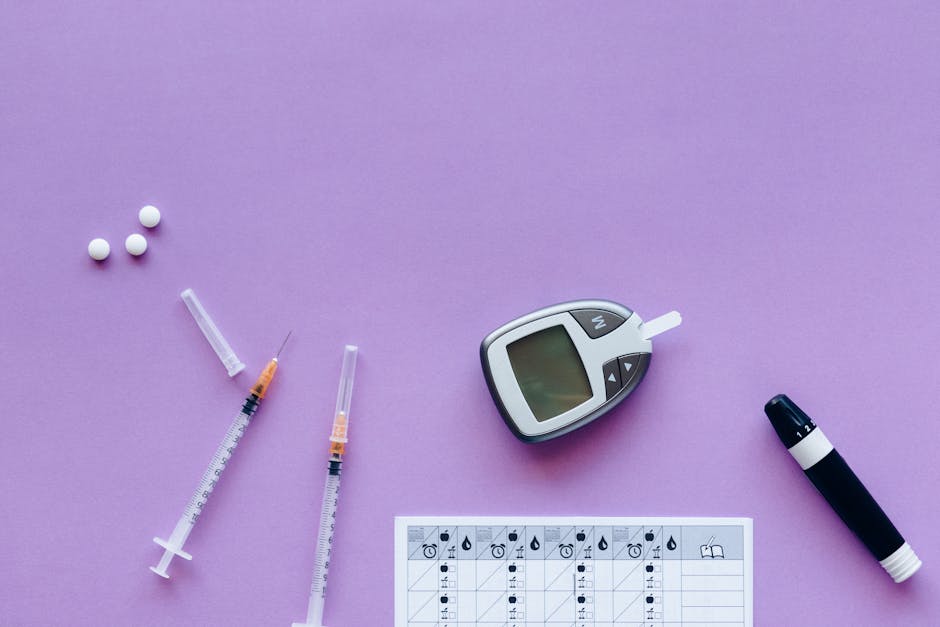
Living with chronic pain often means learning to navigate the stop-start nature of symptoms, balancing flare-ups with quieter times, and finding ways to live well beyond a diagnosis. In recent years, medical cannabis has emerged as a potential tool for managing pain for some people with long-term conditions, such as those supported by organisations like LUPUS UK. But is medical cannabis truly a safe do-it-yourself (DIY) treatment for chronic pain? Or is it something best explored via specialist clinics and careful professional guidance? This post unpacks the latest thinking to help guide those considering this option.

Understanding Medical Cannabis and Its Place in Pain Management
Before delving into whether medical cannabis is suitable as a DIY how to move with pain treatment, it’s important to define some terms:
- Medical Cannabis: A prescription-only form of cannabis-based medicine, legally provided to patients in the UK under specialist supervision for qualifying conditions. CBD Products: Generally over-the-counter supplements containing cannabidiol (CBD), a non-psychoactive compound that some people use for symptom relief. Flare-Up: A sudden worsening of symptoms, common in autoimmune and chronic pain conditions, requiring careful management. Pacing: A strategy to manage energy and activity levels to avoid overexertion and reduce flare-ups.
Medical cannabis differs significantly from widely available CBD supplements. It usually includes specified amounts of THC (the psychoactive compound), and its use requires a prescription and clinical oversight. This distinction is crucial when discussing patient safety and efficacy.
Why Medical Cannabis is Not a DIY Treatment
The allure of self-managing chronic pain with a natural treatment like cannabis is understandable. However, medical cannabis is not a straightforward do-it-yourself option for several reasons:
1. Complex Legal and Medical Framework
In the UK, medical cannabis products are prescribed only under strict guidelines by specialist clinics. This pathway ensures:
- Appropriate patient assessment and diagnosis confirmation. Careful monitoring for side effects. Dosing tailored to individual needs and responses.
Obtaining medical cannabis without prescription risks legal issues and, more importantly, patient safety concerns.
2. Variability of Products and Effects
Unlike standard medications, cannabis-based medicines can vary in their composition and potency. Blindly using over-the-counter products (often labelled as CBD oils or supplements) can result in unpredictable benefits – and sometimes unintended harms.
This is where independent review sites, such as CBD Ratings, become valuable resources. They provide aggregated user feedback and lab-testing data to help distinguish between reputable and dubious products. But remember, these sites mostly review non-prescription CBD supplements, not prescription medicines.
3. Need for Clinical Oversight
Medical cannabis may interact with other medications and has potential side effects. Symptoms to watch for include dizziness, nausea, or changes in mood. Only a specialist clinic can provide the individualised support to manage these risks effectively.
Specialist clinics ensure that medical cannabis is incorporated as one part of a larger pain management plan. They also coordinate with your wider healthcare team – an approach crucial to safe and effective treatment.
Living Beyond a Diagnosis: Managing Pain and Flare-Ups
People with chronic conditions often highlight the importance of remembering their identity beyond Check out this site the illness. This mindset supports resilience and wellbeing through challenging symptom episodes, including flare-ups.
Managing flare-ups of pain is rarely about a single treatment solution. Instead, it involves a blend of strategies like:
- Rest and self-care during exacerbations. Regular use of prescribed medications and therapies. Mindful pacing – regulating physical and cognitive activities to avoid overdoing it. Small sustainable lifestyle habits – such as balanced nutrition, gentle exercise, and good sleep hygiene.
Introducing medical cannabis should complement, not replace, these approaches and be seen as part of a wider toolkit.
What is Pacing and Energy Budgeting?
Pacing is a practical method of managing daily activity to conserve energy and reduce the risk of flare-ups. It means listening to your body, breaking tasks into manageable chunks, and scheduling rest. For chronic pain, pacing helps avoid the common "boom and bust" cycle where good days lead to overactivity and subsequent worsening symptoms.
Energy budgeting extends this idea by encouraging conscious allocation of physical, emotional, and mental energy throughout the day.
People considering medical cannabis should discuss how it fits in with their pacing strategies—whether it supports better function or might complicate symptom patterns.
Support and Resources for Safe Exploration
If you’re thinking about medical cannabis for chronic pain, here are some practical next steps to explore it safely:
Consult Your Healthcare Provider: Discuss your symptoms and ask about the suitability of medical cannabis, especially if you have an autoimmune condition like lupus as supported by LUPUS UK. Referral to a Specialist Clinic: Only specialists can prescribe medical cannabis legally and appropriately. They will guide you through the prescription pathway. Research Products Carefully: If considering CBD supplements, use independent review sites such as CBD Ratings or platforms like Releaf to identify trustworthy options. Adopt a Holistic Approach: Combine any treatment with pacing, lifestyle habits, and professional input for best results.Patient Safety: The Ultimate Priority
At the heart of managing chronic pain with medical cannabis is patient safety. Avoiding self-medication with unregulated products is crucial to prevent adverse effects, wasted expenses, or delays in appropriate care.
Remember that not everyone is a candidate for medical cannabis, and results can vary widely. A measurement of success includes not just pain relief but functional gains and quality of life improvements.
Don’t hesitate to seek support from peer networks, such as condition-specific groups and organisations like LUPUS UK, which offer advice based on lived experience.
Conclusion
Medical cannabis holds promise as part of a comprehensive pain management strategy, especially for some chronic conditions. However, it is not a do-it-yourself treatment option. Safe and effective use requires specialist clinic involvement, careful product selection, and integration with pacing and sustainable lifestyle habits.
By prioritising patient safety and adopting a holistic understanding of living beyond diagnosis, individuals can make informed decisions that support their wellbeing and identity beyond chronic pain.
As always, consult your healthcare professional before making any changes to your treatment plan.