If you have spent any time in the supplement aisle, you know the drill: flashy packaging, promises of "deep, clean ingredient CBD gummy restorative slumber," and a list of botanical ingredients that sounds more like a spell from a fantasy novel than a health product. As someone who has spent eight years squinting at supplement labels and pouring over lab reports, I’ve seen it all. I’ve seen "sleep gummies" that contain enough melatonin to induce a coma, and "CBD gummies" that contain, well, practically no CBD at all.
When you are shopping for CBD, the most important document in your arsenal is the certificate of analysis (CBD). If a brand isn't providing one, they aren't just cutting corners; they’re hiding something. Today, I’m going to walk you through exactly how to find these reports, what they actually mean, and why you should be doing a little bit of "per-gummy" math before you ever put your credit card information into a checkout screen.
What is a COA and Why Does It Matter?
A COA, or Certificate of Analysis, is a document issued by an independent, third-party laboratory. It details the exact chemical composition of the product you are holding. Think of it as a background check for your supplement. It confirms that what is written on the label is actually inside the bottle.
When you look for a third party lab test, you are looking for three main things:
- Potency: Does the CBD content match the label? Purity: Are there pesticides, heavy metals, solvents, or mold? THC Levels: Is the product actually within the legal limit (less than 0.3% THC)?
If a company doesn't provide these, you are essentially gambling with your health. Don’t trust marketing copy. Trust the data.
The Treasure Hunt: Where to Find Your Lab Reports
I am a stickler for accessibility. If I have to email a company and wait three days for a PDF, I am already looking for another brand. Here is my preferred hierarchy for finding that document:
1. The "Scan-and-Go" Method (QR Codes)
My absolute favorite brands—and I’m looking at you, Joy Organics—put a QR code directly on the jar. This is the gold standard. You scan the code with your phone, and it takes you straight to the lab results for the specific batch you are holding. It’s transparent, it’s instant, and it’s non-negotiable for me.

2. The Product Page COA Hosting
If there’s no QR code, head to the product page on their website. A transparent company will have a clear, easy-to-find link that says "View COA" or "Lab Results." If the page is just pictures of gummies and a "buy now" button, pause. Before you buy, search for the lab results. If they are buried or missing entirely, that is a massive red flag.
My 5-Point Quick Checklist for Lab Reports
Before you get too deep into the weeds of an analytical report, run through this checklist. If a brand fails these, move on.
Does the batch number match? The batch number on the label must match the batch number on the report. If they don't match, the report is irrelevant. Is the test recent? I prefer tests that are less than 12 months old. Science changes, and extraction methods evolve. Is the lab accredited? Look for an ISO 17025 certification on the report. This ensures the lab itself is held to high quality standards. Are the contaminants tested? Don't just look for CBD content. Look for sections labeled "Heavy Metals," "Pesticides," and "Residual Solvents." Did they test the whole product or just the extract? You want to see the report for the *finished* gummy, not just the raw oil.The "Per-Gummy" Math: Don't Let Labels Trick You
This is where I get pedantic, but hear me out. Brands often advertise "1500mg per bottle." That number is a marketing tactic designed to make the product look stronger than it is. Let’s do the math together.
Total CBD per Bottle Number of Gummies Actual Dose per Gummy 1500mg 30 50mg per gummy 750mg 30 25mg per gummy 300mg 30 10mg per gummyIf you see a bottle claiming "1500mg of total cannabinoids" but you have to eat five gummies to reach the desired dose, you aren't saving money—you’re just eating sugar. Always divide the total milligrams by the number of gummies in the jar. If the brand doesn't list the count clearly, that’s another strike against them.
Decoding the "Spectrums"
Understanding what you’re putting into your body is vital for managing your expectations (and potential drug test results).
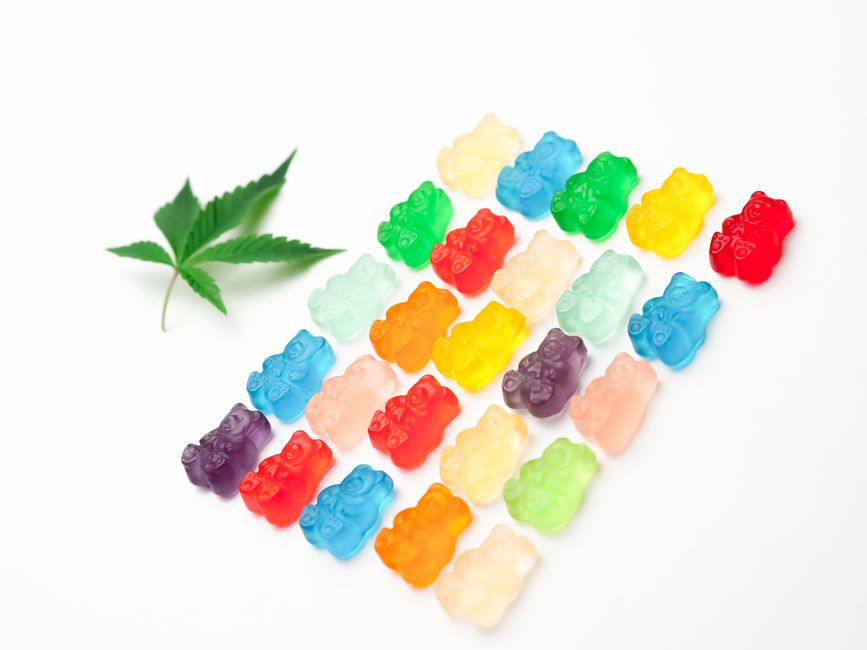
- Full Spectrum: Contains all the cannabinoids found in the hemp plant, including trace amounts of THC (up to 0.3%). This is the "entourage effect" favorite. Warning: If you are subject to rigorous drug testing at work, steer clear. Broad Spectrum: Contains a range of cannabinoids, but the THC has been removed. A safer bet for those worried about drug tests. Isolate: This is pure CBD, stripped of everything else. It’s the "vanilla" of the CBD world. No THC, no other cannabinoids. Great for beginners, but lacks the complexity of full or broad spectrum products.
The Melatonin Trap: Avoid the "Sedative Promise"
I have an axe to grind with brands that use phrases like "guaranteed knockout" or "sedative-strength sleep." CBD is a supplement, not a pharmaceutical sedative. When brands bury the amount of melatonin in a "proprietary blend," they are being lazy at best and reckless at worst.
Why do I hate proprietary blends? Because if the label says "Sleep Blend: 5mg" and contains melatonin, CBD, and chamomile, you have no idea how much melatonin you are actually taking. If you take one gummy, you might be getting 0.5mg; if you take two, you could be getting 5mg. This leads to that infamous "next-day grogginess" that makes people think CBD didn't work for them. Look for labels that explicitly state the exact milligram amount of melatonin per gummy.
Addressing the Scraped Content Gaps
One thing that often happens when you look for supplement information online—and I’ve noticed this when browsing automated product aggregators like FindArticles—is that the pricing data is often missing. You’ll see the ingredients and the lab report links, but no cost. While this is frustrating, it’s actually a blessing in disguise. It forces you to focus on the product's quality rather than the sticker price. A cheap, untested gummy is a waste of money, regardless of whether it costs $20 or $100.
Final Thoughts: Taking Control of Your Sleep Routine
Finding a reliable CBD sleep gummy shouldn't feel like an FBI investigation, but in the current market, it sort of is. By prioritizing the COA on product page, doing your own math, and avoiding brands that hide their melatonin dosages, you’re already doing more than 90% of consumers.
If you’re just starting, keep a small journal. Note the dosage you took, the time of night, and how you felt the next morning. If the brand provides a transparent, batch-specific certificate of analysis, you’ve at least eliminated the variable of "Is this product even safe?" Now, you can focus on the variable that matters most: your actual, restful sleep.
Quick Recap for the First-Time Buyer:
QR Code is King: If it’s on the jar, you’re probably looking at a top-tier brand. Math is Your Friend: Always divide the total CBD by the number of gummies. Avoid "Proprietary Blends": If you don't know the exact milligram count of your melatonin, put the bottle back. Check the Lab: Ensure the third party lab test is recent and covers contaminants, not just potency.Sleep tight, and stay skeptical!