I’ve spent nine years in the trenches of the esports world. I’ve sat behind head coaches who thought sleep was a "luxury for the weak," and I’ve watched rising stars lose their reaction time to the slow, creeping fog of chronic cognitive fatigue. I’ve seen the "grind culture" destroy potential because someone decided that pulling an all-nighter was the only way to prove dedication.
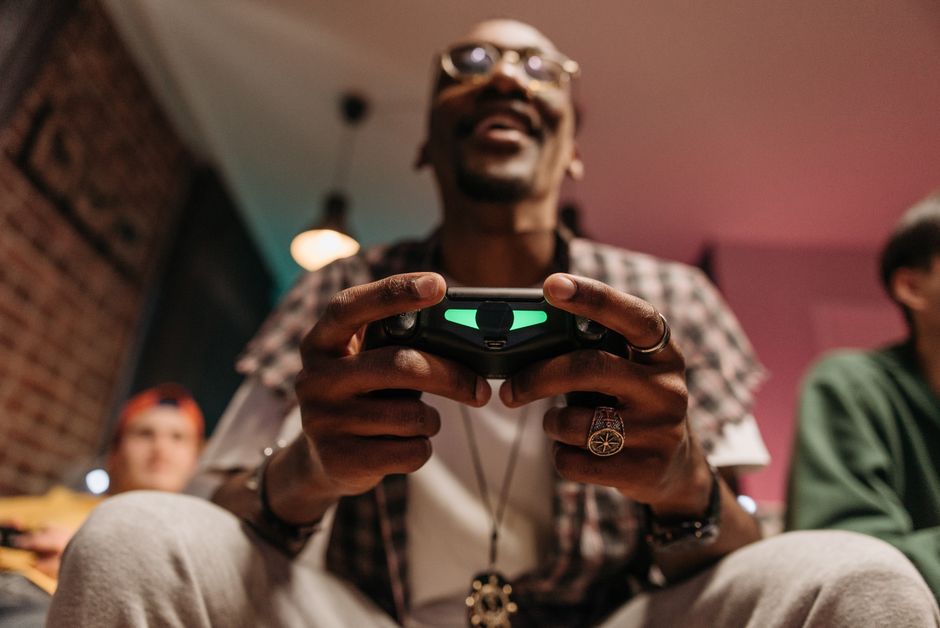
Let’s get one thing clear before we start: Burnout is not a lack of discipline. It is a systemic failure of your recovery protocol. When players start asking me about cannabinoids—specifically CBD and THC—it’s usually because they are desperate. They aren't looking to get high; they are looking for a way to turn off their brains after a 12-hour block of high-intensity scrims so they can finally reach REM sleep. But if you’re looking for a shortcut without understanding the mechanics, you’re just adding another layer etruesports.com of risk to your career.
The Science: Understanding Cannabinoid Education
Before we talk about performance, we need to talk about the endocannabinoid system (ECS). Your body has receptors (CB1 and CB2) scattered throughout your nervous system that regulate things like inflammation, pain perception, and yes, stress response. When you introduce compounds from the cannabis plant, you are interacting with that system. But not all compounds are created equal.
If you search for healthline cbd vs thc, you’ll find a wealth of clinical data, but here is the breakdown translated for the server room.
CBD (Cannabidiol)
CBD is the non-intoxicating cousin of the cannabis family. It doesn’t cause the "high" associated with marijuana. In my time working with a strength coach on a tier-2 roster, we looked into CBD specifically for its anti-inflammatory properties and its potential to manage the "white noise" of anxiety that keeps a player awake at 3:00 AM.
THC (Tetrahydrocannabinol)
THC is the psychoactive component. It binds directly to the CB1 receptors in the brain, altering perception, reaction time, and memory. For a professional player, this is a minefield. While some claim it helps them "get in the zone," the reality is that it typically disrupts the architecture of your sleep cycle, specifically suppressing REM sleep.
Comparison Table: CBD vs. THC
Feature CBD THC Psychoactive Effect None (Non-intoxicating) High (Alters perception) Primary Usage Inflammation, Anxiety, Sleep prep Pain management, Euphoria Esports Risk Low (if THC-free) High (Drug testing/Cognitive load) Legal/Regulation Generally legal (check local laws) Highly restricted/BannedWhy Gamers are Asking About It: The Cognitive Fatigue Crisis
The reason the Discord servers are buzzing about this is simple: Cognitive fatigue. If you’ve ever felt your aim start to stutter during the third map of a best-of-five, you’ve hit the wall of decision-making decline. Your brain is a muscle; if you don't recover it, the quality of your play suffers.
I hear too many players say, "I’ll just sleep when I’m retired." That is the exact mindset that kills rosters. When you ignore recovery, you aren't "grinding," you are degrading your hardware. CBD has entered the conversation as a potential recovery aid, but it is not a replacement for a structured sleep routine. It is a supplement, not a cheat code.
The "Sleep Myth" List: Things Teams Keep Repeating
As part of my ongoing mission to keep players from falling for bad science, I keep a running list of myths I hear in team houses. If your team is still saying these, run the other way:
"I can catch up on sleep on my off-day." Sleep debt isn't a bank account you can overdraw and pay back with interest. Your circadian rhythm doesn't care about your schedule. "I play better when I'm sleep-deprived because it forces me to focus." This is just adrenaline masking the fact that your reaction time has dropped by 150ms. You aren't focusing; you're panicking. "Melatonin is all I need." Melatonin is for jet lag. It isn't a sleep sedative. If you're using it every night, your internal clock is already screaming for help. "My computer blue-light filter cancels out the stress of an intense game." No, the screen settings don't matter if your brain is still processing the adrenaline of a 45-minute tactical standoff.Regulation, Safety, and the "Monday" Problem
Here is where I have to play the role of the Ops Coordinator. You are an athlete. If you are competing in a league that performs drug testing, the difference between CBD and THC is the difference between a championship run and a lifetime ban. Many "full-spectrum" CBD products contain trace amounts of THC. In some jurisdictions, that is enough to trigger a positive test.
Never buy an unregulated product from a gas station or a shady online link. If your team organization isn't providing verified, third-party tested supplements, you are playing with fire. Always ask: Where did this come from?
Recovery as Training: What Changes on Monday?
Look, I get it. The industry expects you to be available 24/7. But if you want to play at the highest level for more than two years, you have to treat your health with the same rigor you treat your crosshair placement. You spend hours reviewing VODs to optimize your positioning; you should be spending that same time optimizing your recovery.

So, here is my challenge to you. After you finish reading this, stop looking for a "magic pill" to fix your exhaustion. Instead, answer this question: What changes on Monday?
Maybe it’s not CBD. Maybe it’s a strict "no screen" buffer zone 30 minutes before sleep. Maybe it’s actually discussing your burnout with the org’s performance coach instead of hiding it because you think it makes you look weak. Here are three actionable steps for the start of the week:
- Audit your sleep hygiene: Is your room temperature between 60-67°F (15-19°C)? Is it truly dark? If not, fix the room before you buy supplements. The 90-Minute Rule: Try to schedule your sleep in 90-minute cycles. Waking up in the middle of a cycle is why you feel like garbage, regardless of how long you slept. Document your fatigue: Keep a journal. When did you start losing focus during practice? Was it the third hour? Maybe you need a 10-minute walk outside the building at that exact mark.
At the end of the day, your career is a sprint disguised as a marathon. If you burn out, there is always another kid waiting to take your spot. Don’t make it easy for them. Prioritize your recovery, question the "grind culture" narratives, and stop looking for shortcuts when the solution is usually just better discipline in your off-server habits.
You’re an esports athlete. Act like one.