For patients dealing with chronic pain, neurological conditions, or physical disabilities, navigating the traditional healthcare system can be a logistical nightmare. In my nine years coordinating digital transformation projects within the National Health Service (NHS), I have seen firsthand how the physical burden of travelling to clinics—finding parking, navigating corridors, and managing waiting rooms—acts as a significant barrier to care.
Digital-first healthcare is fundamentally changing this. For those experiencing mobility limitations healthcare challenges, the shift toward remote specialist consultations is not merely a convenience; it is a necessity. However, as the medical cannabis sector grows in the UK, many patients find themselves lost in a maze of websites, vague terminology, and opaque processes. This guide outlines how to navigate the shift to remote care and what you need to know before your first video consultation.
The Reality of Digital-First Healthcare
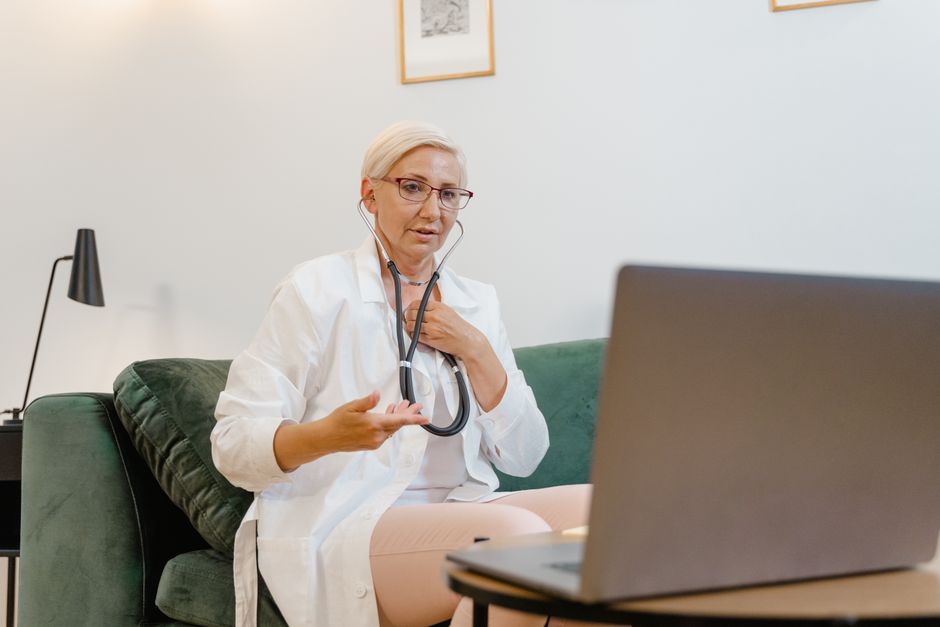
When we talk about digital-first, we aren't talking about a "revolutionary" new world. We are talking about the basic, common-sense application of technology to reduce the friction between a patient and a specialist. In a digital-first model, the objective is simple: move the consultation to the patient’s home, ensuring that their physical comfort and autonomy remain intact.
The primary benefit of a video consultation from home is the elimination of the travel-induced fatigue that often exacerbates mobility-related pain. By moving the clinical assessment to a digital environment, the specialist can observe the patient in their own setting, which can sometimes provide more context for how they manage their https://smoothdecorator.com/what-does-a-clinic-portal-show-for-delivery-updates-a-guide-to-digital-first-healthcare/ condition daily.
Understanding the Digital Onboarding Process
Most reputable UK clinics now follow a standardized digital onboarding journey. Because medical cannabis is a controlled medication under the Medicines and Healthcare products Regulatory Agency (MHRA), clinics are required to perform thorough due diligence. You cannot simply walk in or click a button to receive a prescription. You must prove that you have already tried standard treatments (First-Line Therapies) with your General Practitioner (GP) without success.
Here is the standard process for onboarding:

- Online Eligibility Assessment: A pre-screening questionnaire that checks if you meet the basic criteria (e.g., age, previous treatment history). Medical Record Acquisition: You must either upload your Summary Care Record (SCR) manually or provide the clinic with formal consent to request it from your GP. Clinical Review: A consultant reviews your medical history to ensure you are a suitable candidate. Video Consultation: A synchronous video call with a specialist doctor to discuss your history, symptoms, and potential treatment plans.
Addressing the Record-Sharing Bottleneck
One of the most significant frustrations I’ve heard from patients is the struggle to obtain their medical records. To get a prescription, the clinic must have proof of your diagnosis and the treatments you have already attempted. You can expedite this by using the NHS App to download your detailed coded record or by contacting your surgery’s reception directly.
Checklist: Preparing for your Digital Consultation
- Request a 'Summary Care Record' from your GP practice at least two weeks before your first appointment. Ensure your home internet connection is stable; test your webcam and microphone in the same room where you plan to take the call. Write down a list of current medications and dosages to ensure the consultant has an accurate overview. Have your pharmacy delivery address ready, as this is often required for the prescription fulfillment process.
The Transparency Problem: Where are the Prices?
One of the most persistent issues in the medical cannabis space is the lack of price transparency on clinic websites. It is frustrating to browse a provider's page only to find generalized marketing copy rather than a clear price list. In the NHS, we worked hard to ensure transparency; in the private sector, this is often missing.
When a clinic does not list their consultation fees or repeat prescription costs, it should be a red flag. You should be able to clearly distinguish between these costs:
If you cannot find these figures clearly stated, ask the clinic’s support team directly. If they cannot provide a written breakdown, move on to another provider. You should never feel pressured into an appointment without knowing exactly what the financial commitment will be.
Distinguishing CBD from Prescription Cannabis
It is vital to draw a line between high-street CBD (Cannabidiol) and prescribed medical cannabis. You can buy CBD oils in any pharmacy or health shop, but these are supplements—not medicines. They are not regulated to the same strict standards as Prescription Medical Cannabis (PMC).
PMC involves cannabis-based https://bizzmarkblog.com/navigating-medical-cannabis-clinics-a-digital-first-guide-to-product-formats/ medicinal products that are:
Clinically approved for your specific condition. Sourced from pharmaceutical-grade suppliers. Prescribed by a specialist registered on the General Medical Council (GMC) Specialist Register. Do not assume that over-the-counter CBD will provide the same therapeutic effect as a tailored prescription plan. Conversely, do not rely on anecdotal "miracle cure" stories found online. Medical cannabis is a treatment, not a cure, and results vary significantly from person to person.The Goal: Reduced In-Person Visits
The core philosophy of moving these services online is to improve the quality of life for patients with mobility limitations. By opting for a reduced in-person visits model, you are reclaiming time and physical energy that would otherwise be spent on travel. However, always ensure that your chosen clinic is registered with the Care Quality Commission (CQC), which is the independent regulator of health and social care in England.
Before committing, confirm that the digital platform they use is secure and respects your patient confidentiality. If the process feels rushed, or if they promise specific outcomes without performing a thorough review of your medical history, please exercise caution. You deserve a professional, transparent, and accessible service that respects your physical reality.
Note: This article is for informational purposes only and does not constitute medical advice. Please consult with your GP or a qualified specialist before making decisions regarding your healthcare.